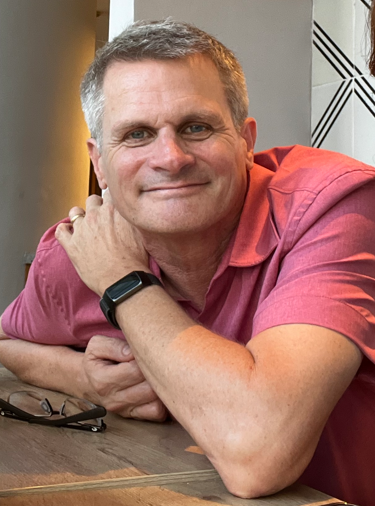
Gregory J. Quirk
I am a neuroscientist with a deep passion for understanding the brain as well as promoting neuroscience in developing countries. My curiosity for the brain began as early neuroscience (ad hoc) major at Northwestern University in the 1980’s. Those undergraduate years were shaped in the lab of Dr. Aryeh Routtenberg, exploring the role of hippocampal granule cells in memory formation.
After completing my B.A. at Northwestern in 1982, I pursued a PhD in Behavioral Neuroscience at the State University of New York – Brooklyn, under the mentorship of Drs. Robert U. Muller, John L. Kubie, and James B. Ranck. My doctoral research focused on the study of place cells in the hippocampus and the entorhinal cortex, which contribute to spatial memory and navigation.
After my PhD, I began human rights work in Honduras with the Committee of Relatives of the Disappeared in Honduras (COFADEH), documenting stress disorders in families targeted by the government. This led to a Fulbright Fellowship to establish the first neuroscience laboratory in Honduras investigating the effects of malnutrition in a rodent model as well as in children.
After Honduras, I completed my postdoctoral training at New York University in the lab of Dr. Joseph LeDoux where I investigated amygdala circuits involved in conditioned fear and extinction. I returned to Latin America to establish my own laboratory in Puerto Rico at the Ponce School of Medicine, focusing on fear extinction its relevance to PTSD. In 2007, after moving to the University of Puerto Rico in San Juan, I expanded my research to model memory retrieval, active avoidance and obsessive compulsive disorder. Completing 25 years in Puerto Rico allowed me to train many students and post-docs from Puerto Rico and other parts of Latin America.
In 2021, I moved to the University of the Philippines-Manila, to promote neuroscience research at the National Institutes of Health. I am advising young faculty at NIH who are developing the country’s first rodent-based research programs addressing mental health problems, supported by the new “Brain and Mental Health” funding initiative from the Department of Science and Technology.
My experiences in Central America, the Caribbean, and Southeast Asia have shown me the transformative power of neuroscience research and education. I have been deeply committed to training and mentoring young people from diverse backgrounds for everyone’s benefit. This has been very meaningful for me… As Carl Jung said, “The least of things with a meaning is worth more in life than the greatest of things without it.”
Latest news
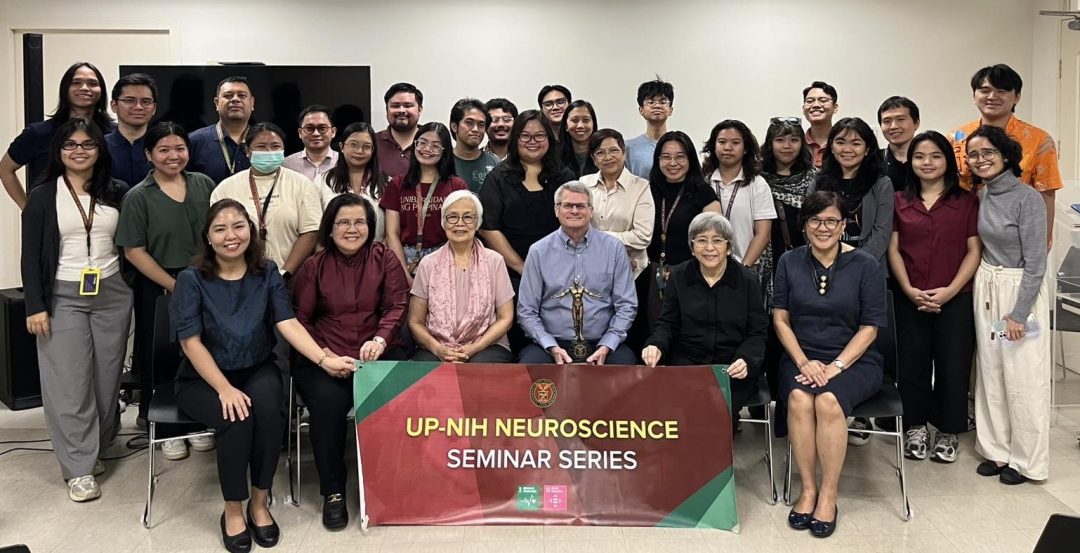
Promoting Neuroscience in Developing Countries Through Rodent Models
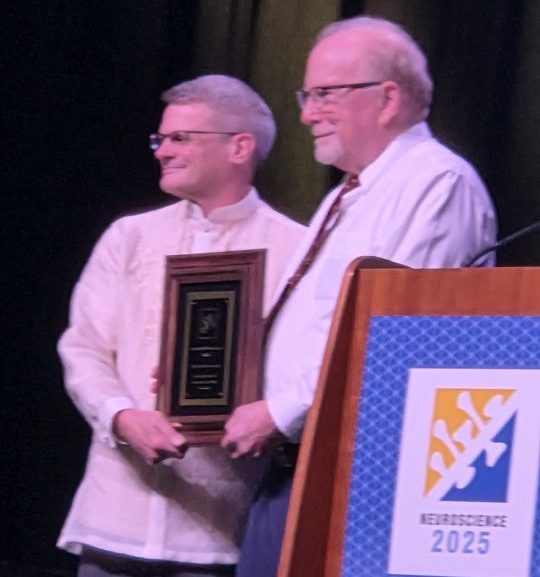
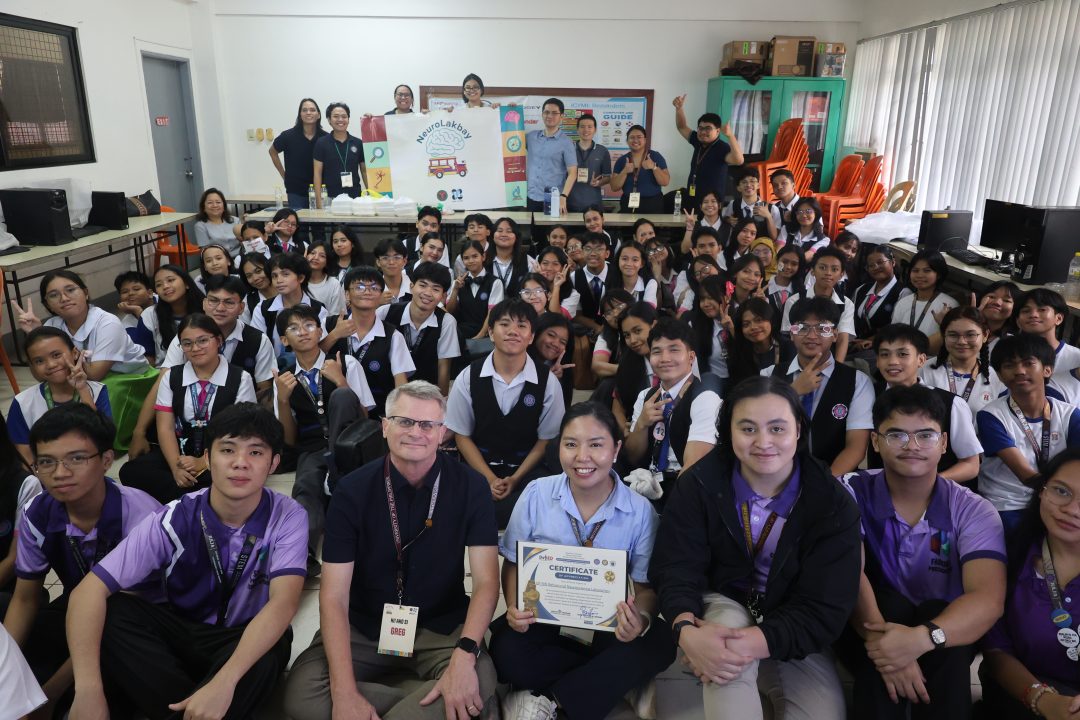
High School Students in Manila gain Hands-on Experience in Neurosciences, through the Lab’s NeuroLakbay program.
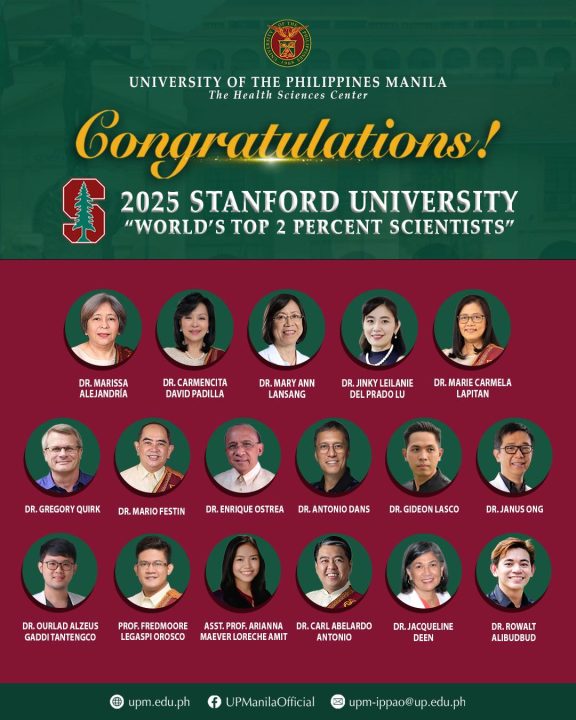
UP Manila congratulates its 17 faculty members for their scientific impact.
Timelines and Turning Points
1960-1978 (Raised in Connecticut)

1978-1982 (Undergraduate Student)

1983-1990 (Doctoral Student)

1992-1993 (Fulbright Fellow)
Fulbright Fellowship to establish the first Neuroscience research laboratory in Honduras at UNAH – Tegucigalpa.
1993-1997 (Post-Doctoral Fellow)

Post-doctoral fellowship at New York University with Joseph LeDoux.
1997-2021 (Professor in Puerto Rico)
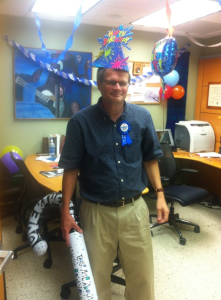
I returned to Latin America to establish my own neuroscience laboratory, first at Ponce School of Medicine (now Ponce Health Sciences University), and later at the University of Puerto Rico School of Medicine
2021-Present (Senior Scientist in The Philippines)

Moved to Philippines to mentor young faculty to establish behavioral neuroscience at UP-Manila, National Institutes of Health.